
Thermal imaging is a helpful tool that can assist home inspectors with finding issues in the home. The cost of these devices has dropped significantly in recent years, making them an affordable tool every inspector should add to their bag. If your home inspector does not use this technology or has the proper training on how to use it, major defects could go unnoticed.
How does thermal imaging work?
Contrary to what many believe, a thermal imaging camera CANNOT see inside a wall. I often overhear realtors telling clients that I will be able to see inside a wall with my camera & that is not the case. A thermal imaging camera only shows the surface temperature of the area being scanned. Shiny items or surfaces with highly reflective paint cannot be properly scanned. To get the best & most accurate readings, the surface would have a dull or matte finish to it. These temperature readings show up on screen as different colors & a trained operator then interprets the image. Typically, with the “Ironbow Palette,” hotter colors will show up as bright orange, while cooler temperatures will be purple.
What defects during an inspection can be found?
- Electrical– Thermal is a great tool for finding issues in electrical panels. Typically, I like to place a load on all of the circuits in the house and scan the panels for overheated wires/breakers. This usually indicates there is a wire that is not properly secured or an undersized wire for the load.
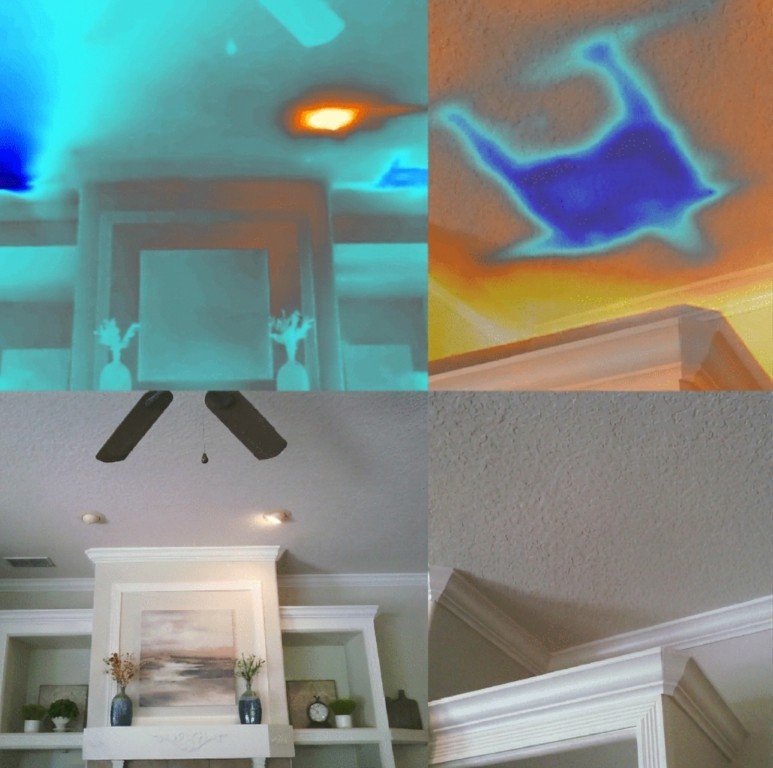
- HVAC– For HVAC, you can use these tools to find air leaks in ductwork or supply vents that may be restricted. I’ve even found supply vents that had not had the opening cut out in the ceiling and were blowing conditioned air into the attic.
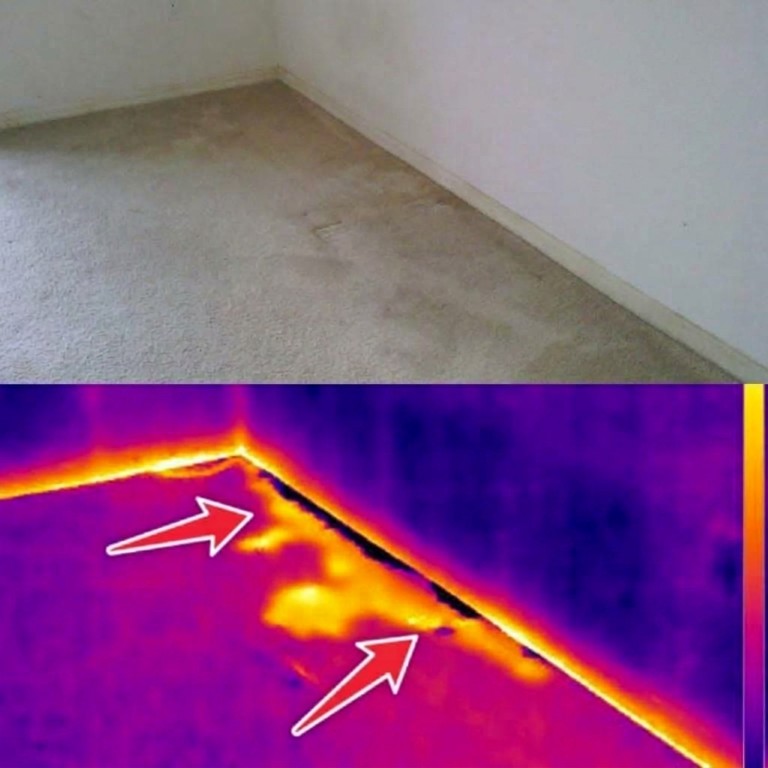
- Plumbing– Thermal imaging is great at finding plumbing leaks. Small drops of water from leaks that may go unnoticed with the naked eye will show up easily on a camera screen.
- Building leaks– During the rainy season, this tool can be used to find roof leaks and leaks around the foundation from poor grading.
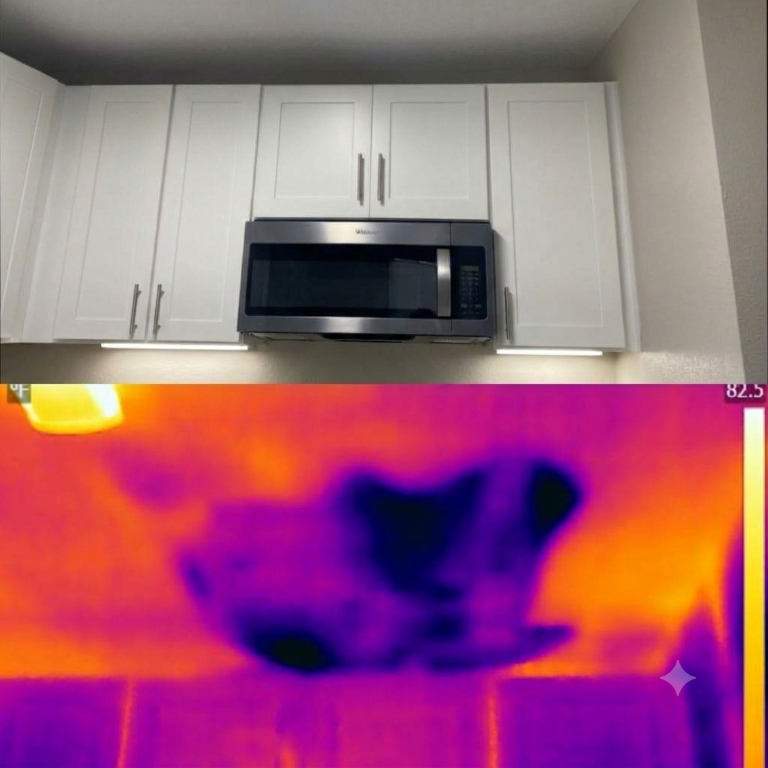
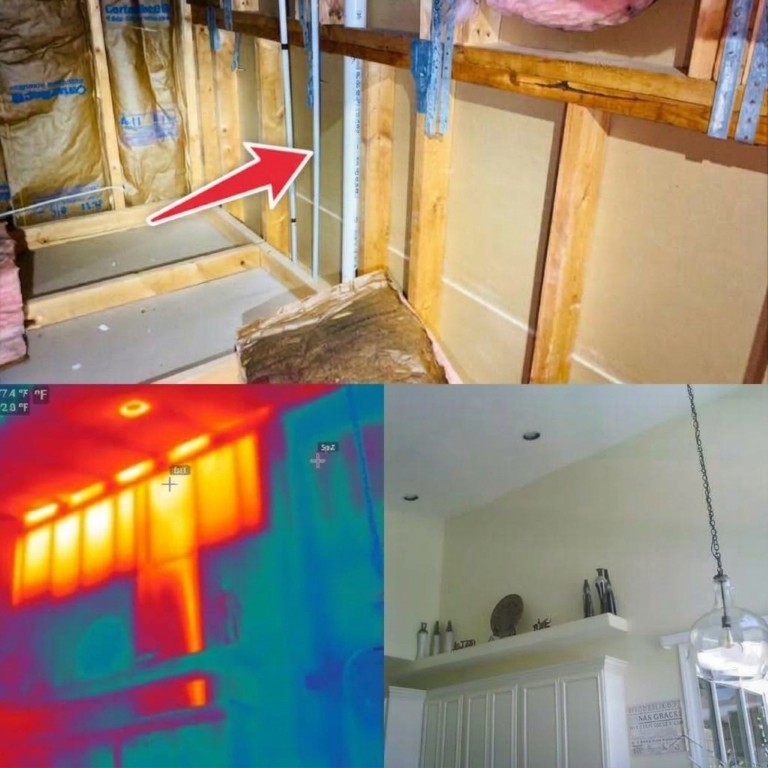
- Energy loss– Thermal imaging is a great tool to find areas that cause the home to be less energy efficient. Areas with missing insulation or air infiltration can be seen.
Types of thermal imaging cameras
There are many different types of cameras on the market today. Prices range from a few hundred dollars for a basic one that can attach to your phone to ones that cost more than a new BMW! The more expensive the camera, the more likely it is to produce a much higher-resolution image. Cheap cameras may be useful to a homeowner, but they may not have the sensitivity of a higher-quality camera. This reduced sensitivity will tend to blend colors, which could cause an inspector to miss a defect. It’s recommended that the minimum resolution be around 340×240 for building inspection. Our company currently uses a Flir T530 which retails for around $12,000.
Defect photos found during inspections
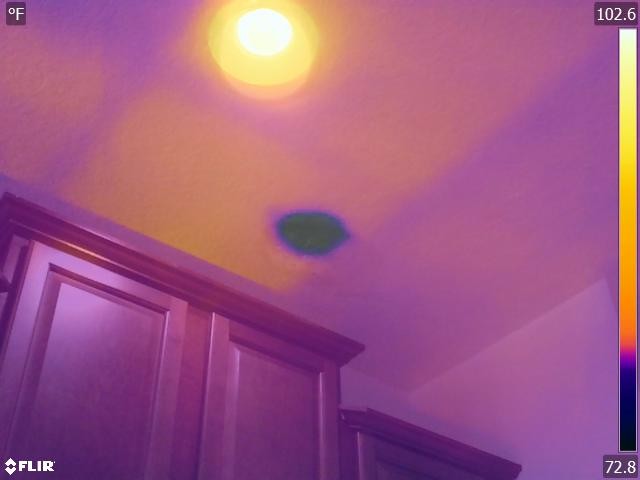
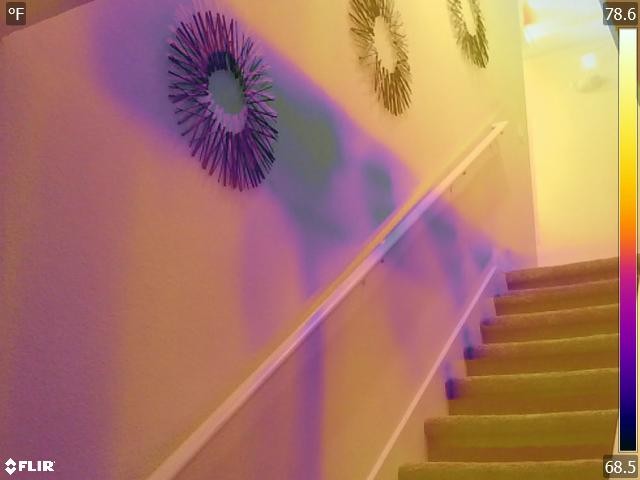
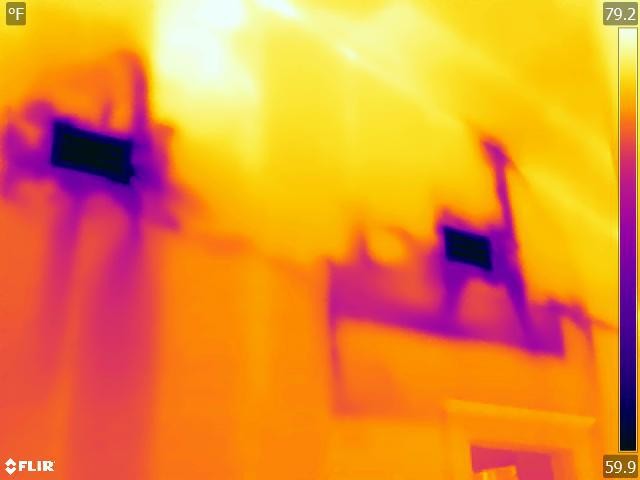
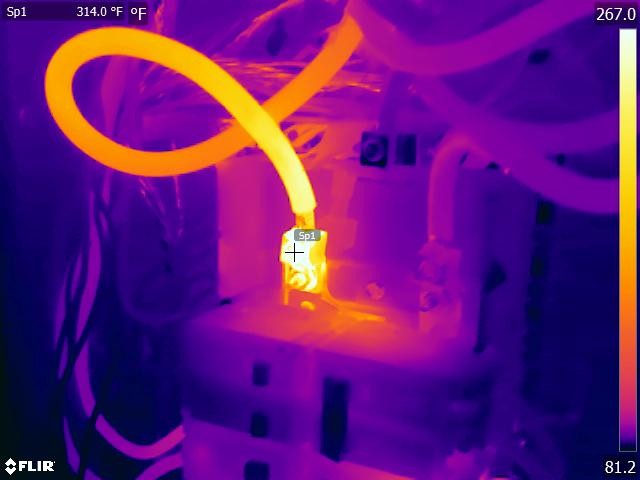
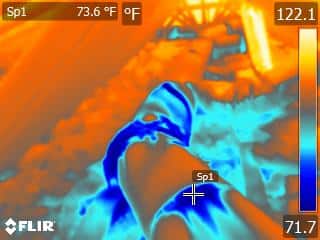
When setting up your next anointment with a home inspector be sure to ask them if they use this technology on every inspection. If they do not you may want to think twice about hiring that particular company! If you are in need of any inspection services you can reach Ocoee Home Inspections at 407-633-1661 or book online.