
What is a 4 point inspection
“What is a 4 point inspection” That is a common question I get from clients. If you are buying an older home or changing insurance companies on an existing home you may be asked by your insurance agent for one of these. A 4 point report, like a wind mitigation and a roof certification, are insurance reports. This report covers the overall condition of the Roof, Plumbing, HVAC & Electrical. But not every home will need one though so its best to let your insurance agent instruct you to get one. In the past they were typically only needed on homes that were older than 20 years. Some companies like State Farm were even more strict and requiring them on homes 10 years or older. With the current insurance market it seems this isn’t the case anymore so it’s best to check with your agent.
What do you look for during the inspection?
As mentioned earlier, a 4 Point inspection covers the overall condition of the roof, plumbing, HVAC, and electrical. An inspector will assess the condition of the roof and enter the attic to check for leaks. They will test your HVAC system to make sure it is working properly in heating & cooling modes. They will check the home to see what type of plumbing is present and if there are any leaks. The inspector will also note the electrical panel brands and their overall condition by opening up the panel to inspect the wiring and breakers.
Is this a substitute for a full home inspection?
While major components of a house are important, a thorough inspection must also cover the foundation, walls, stucco, siding, appliances, garage, windows, and any leaks. A 4-point inspection typically takes 30 minutes, whereas a full home inspection can exceed two hours, highlighting the difference in thoroughness.
For example, during a 4-point inspection of the HVAC system, we check for basic operation and wiring issues. In contrast, a full inspection involves checking for refrigerant leaks, dirty coils, and duct problems. This level of detail applies equally to plumbing, electrical systems, and roofing, providing a more comprehensive understanding of the property.
Can a home fail an inspection?
Well the inspector doesn’t pass or fail an inspection but your insurance company may based on what’s in the report. The inspector is just there to note what repairs may be needed and the brand of certain items. It’s really up to the insurance company as to whether or not they want it repaired.
What are some known items that insurance companies do not like?
Insurance companies always seem to be adding new stuff that are on their naughty list so it’s hard to keep up. But typically these are some of the one’s they do not care to see and some companies will not write a policy unless it is changed out.
Electrical:
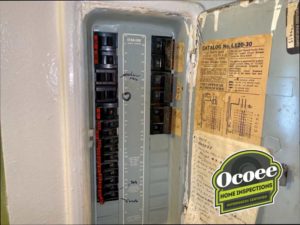
Federal Pacific– These were known to have breakers that would not trip when they were supposed to. You can read up more on them here.
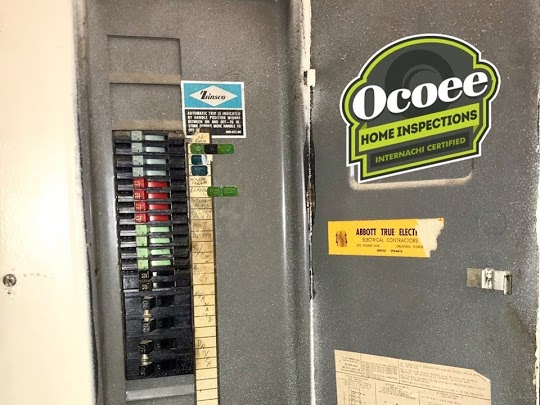
Zinsco– Like Federal Pacific, these had faulty breakers that would not trip. You can read more on these here.
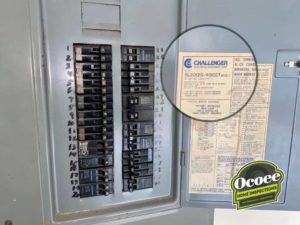
Challenger– These panels had an issue with over heating. You can read more on these here.
Fused panels– This type of panel is old and obsolete.
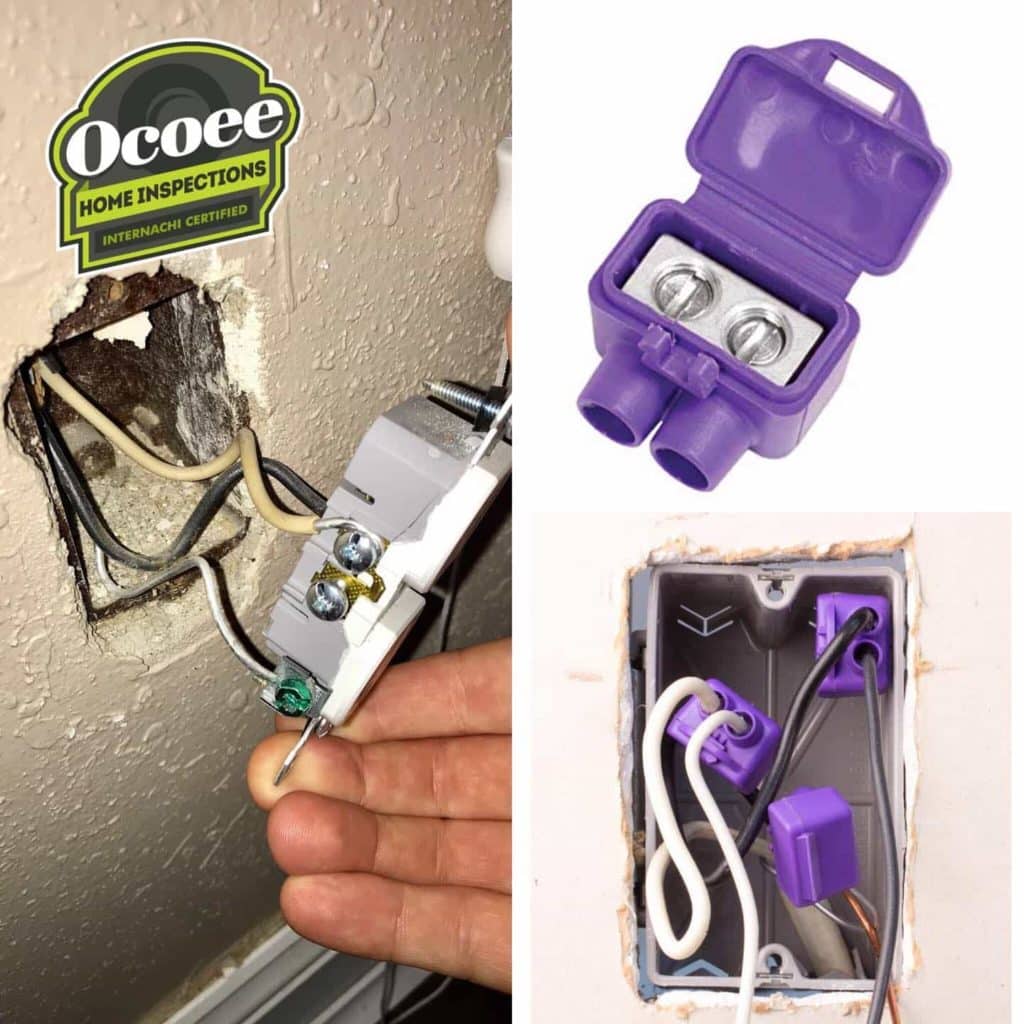
Aluminum Wiring– Any older single strand aluminum wiring will most likely need to be remediated with Alumiconn Connectors.
Plumbing:
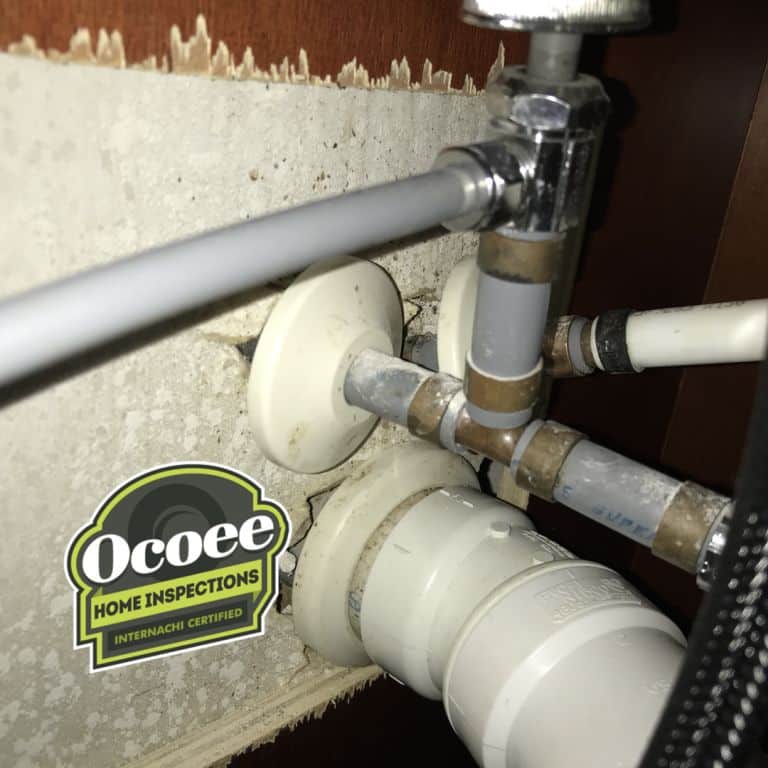
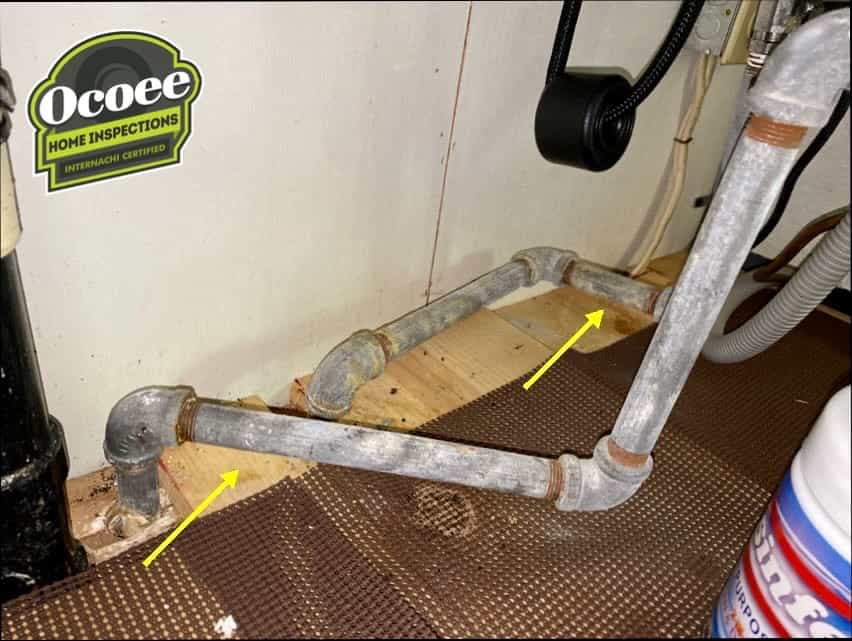
Polybutylene– Polybutylene is a grey plastic pipe that was installed in homes around 1980- 1997. The fittings on these could corrode and cause leaks. Most insurance will want this replaced. You can read up on it here.
Certain PEX– PEX is still used in homes today but some companies will not insure older PEX that was made before 2011. Some of this had older brass F1807 fittings that would corrode. You can read up on it here.
There are no known brands of Roofing & HVAC that insurance companies have an issue with that I am aware of.
Can age of certain items be an issue?
The age of various components in a home can significantly impact insurance coverage, particularly the roof. Before 2022, most insurance providers were hesitant to insure homes with asphalt shingle roofs older than 15 years, often limiting coverage to the state-operated Citizens program. However, recent legislation now prohibits insurers from denying coverage for roofs of this age, provided an inspector verifies they are in good condition with at least five years of remaining life.
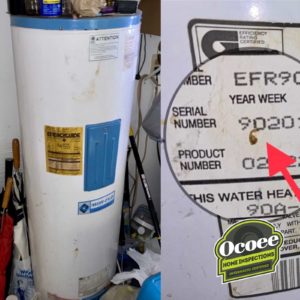
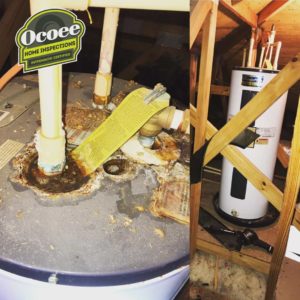
Insurance companies tend to be more flexible with metal and tile roofs due to their longer lifespan. Additionally, some insurers may require the replacement of water heaters that are 15 years old if installed within the home and 20 years old if placed in a garage.
What does the inspector need from the homeowner?
For a four-point inspection, the inspector must obtain specific photographs necessary for the report. Inadequate documentation may delay the processing of your insurance policy. The inspector will need images of the HVAC system and water heater, as well as access to all shut-off valves inside the home. Additionally, they must remove the panel covers from the electrical panels, so please clear any obstructions. If a roof replacement permit is not available online, the inspector will require documentation confirming when the roof was last replaced.
How long do these inspections take?
A stand-alone 4-point inspection typically lasts about 30 minutes at the property. Afterward, we will return to the office to prepare the report and send it to you the same day. If you are purchasing a home and we conduct a full inspection, this will not increase the time spent on-site. We will also have additional photographs from the home inspection to assist in preparing the 4-point report as necessary.
How long are these good for?
The validity of a 4-point inspection report is typically short, with some insurance providers suggesting it may last as little as one year. Unlike wind mitigation reports, which are valid for five years, the timeframe for 4-point reports is determined by the insurance company.
What is the typical cost?
The cost of 4-point inspections can vary significantly. If an insurance agent states that a typical fee is around $50, they may not be well-informed. Many blog posts provide misleading information about these costs, which can unfairly reflect on industry professionals.
Based on discussions with colleagues, the usual price for a 4-point inspection typically ranges from $150 to $300. It is crucial to seek realistic pricing and choose a qualified inspector carefully to avoid unnecessary expenses.
We hope this article was helpful for you. If you wish to book your next 4 point inspection with us you can do so by calling 407-633-1661 or visiting our website.