
Home inspections are the most important part of the home buying process. Sometimes clients assume that because the home is new, it doesn’t need one. Or they may think their uncle, an HVAC technician, can look it over. These items could have been caught beforehand and even used in negotiating the final sale of the home. What are some of the items that a typical home inspector looks for? Let’s take a closer look.
Roof:
The age and condition of the roof is one of the things my clients worry about most. They are right home here in Orlando. That is for a cheaper 3-tab shingle, and costs can reach up to $100,000 for a large home with a tile roof! Items I look for on a typical asphalt shingle roof include granule loss, damaged shingles, hail damage, and proper bonding. Proper bonding is key here in preventing damage during a hurricane here in Florida. We also perform a permit search before we reach the home so we know exactly how old the roof is. A typical asphalt shingle roof will last 15-25 years in Florida, while a metal or tile roof can last much longer.


Plumbing:
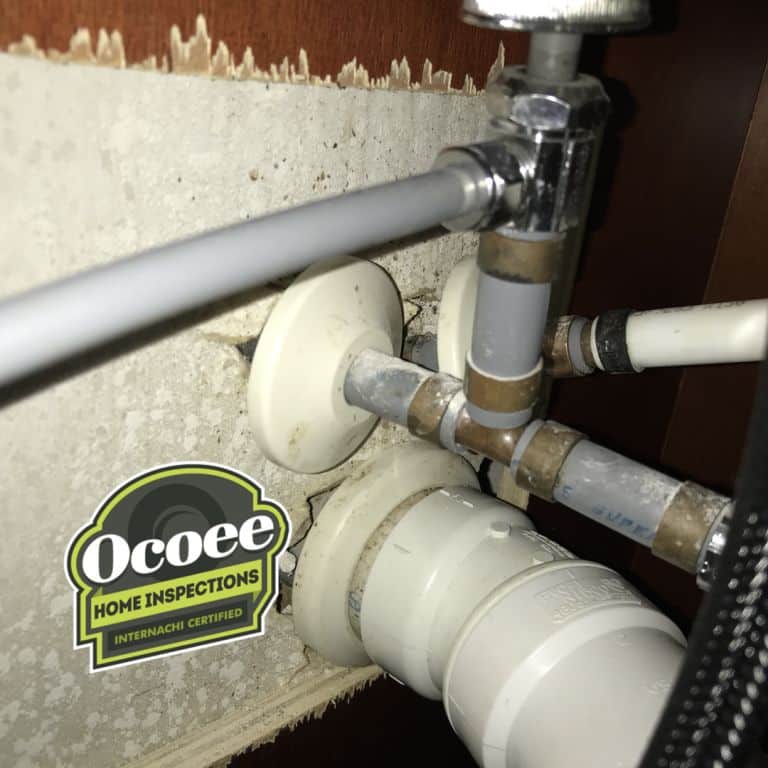
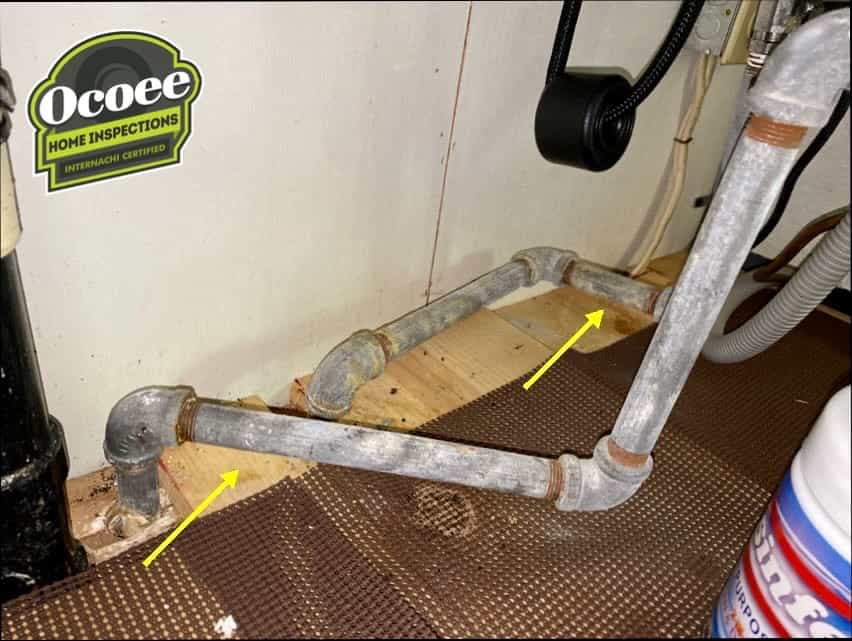
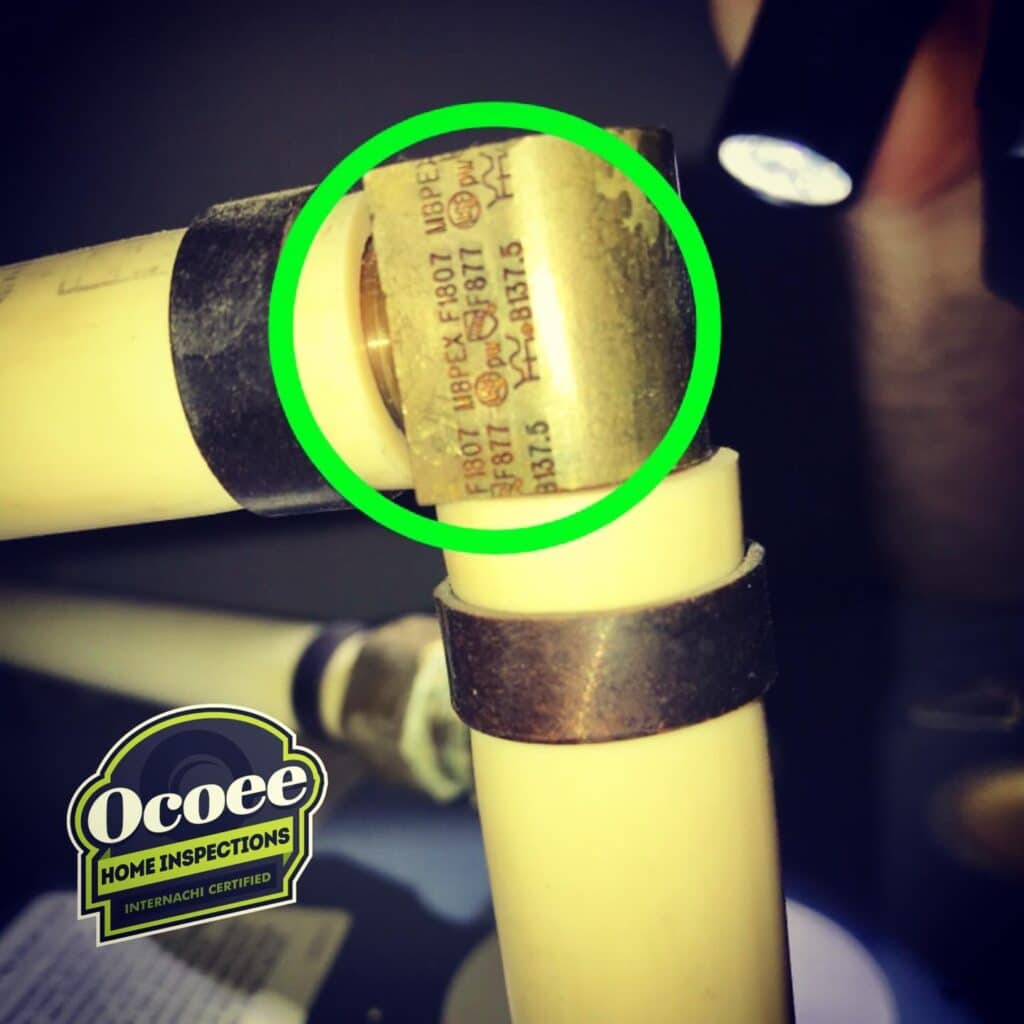
The plumbing system can be tricky to fully inspect. Once the drywall has been applied we are left inspecting only what we can see. One add on service that we can provide is a sewer scope. There are also certain materials that are no longer used which can make getting the home an insurance nightmare. Polybutylene is one of these materials as well as Galvanized pipes. Another new one is PEX that was installed prior to 2011 due to issues with the brass fittings. Most home owners/buyers would never know about the issues with these materials. Having the home inspected before buying will let you know what material it is and if there may or may not be any hiccups you may run into with insurance.
Grounds:
The first thing we do during home inspections is look at the surrounding area around the house. Is the grading around the home sufficient, or are there areas where the ground slopes toward the foundation? Most home buyers look at the kitchen cabinets and bathroom counters, while we look at the less exciting items. If the ground slopes toward the home, we check whether drainage has been added. If not, we always recommend that the buyer add some or have the seller do it before closing.
Structure/Siding:
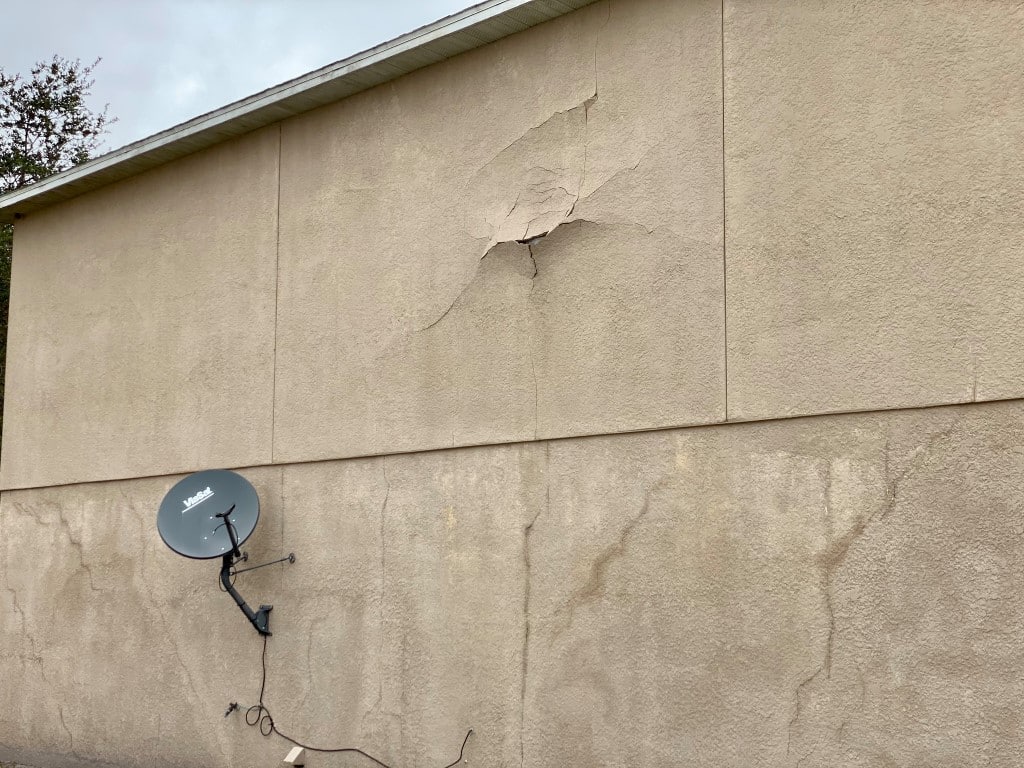
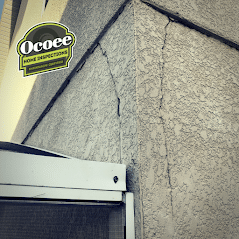
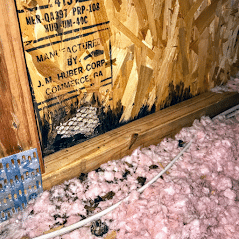
I always start my home inspections on the exterior and work my way inside. 95% of the homes here in Orlando are block walls with a stucco covering. This makes for a very solid home that can last for decades! The issues we see is when the homes are 2 story with stucco. Typically 2 story homes are block first floor and wood frame on the 2nd. Builders of these tract homes put these things up so quickly they often skip important steps in making sure they are water tight. An issue we often find is on the 2nd story where the stucco is not applied correctly and water gets behind and starts to deteriorate the wood beneath. This is where a phase inspection is important so we can catch these missing steps.
Electrical:
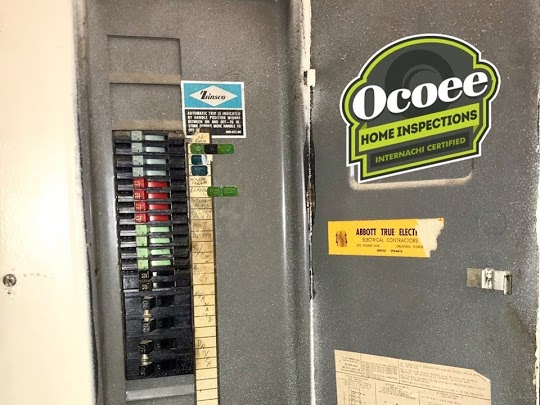
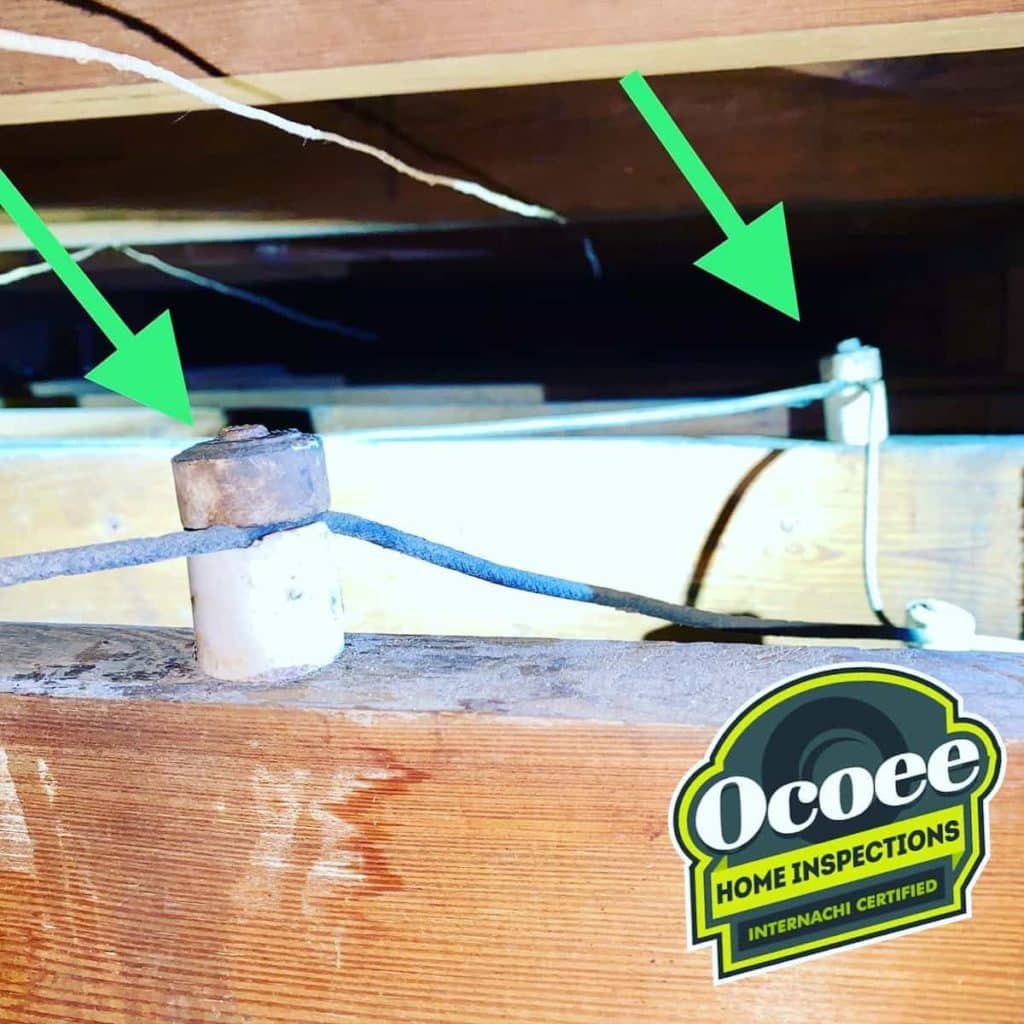
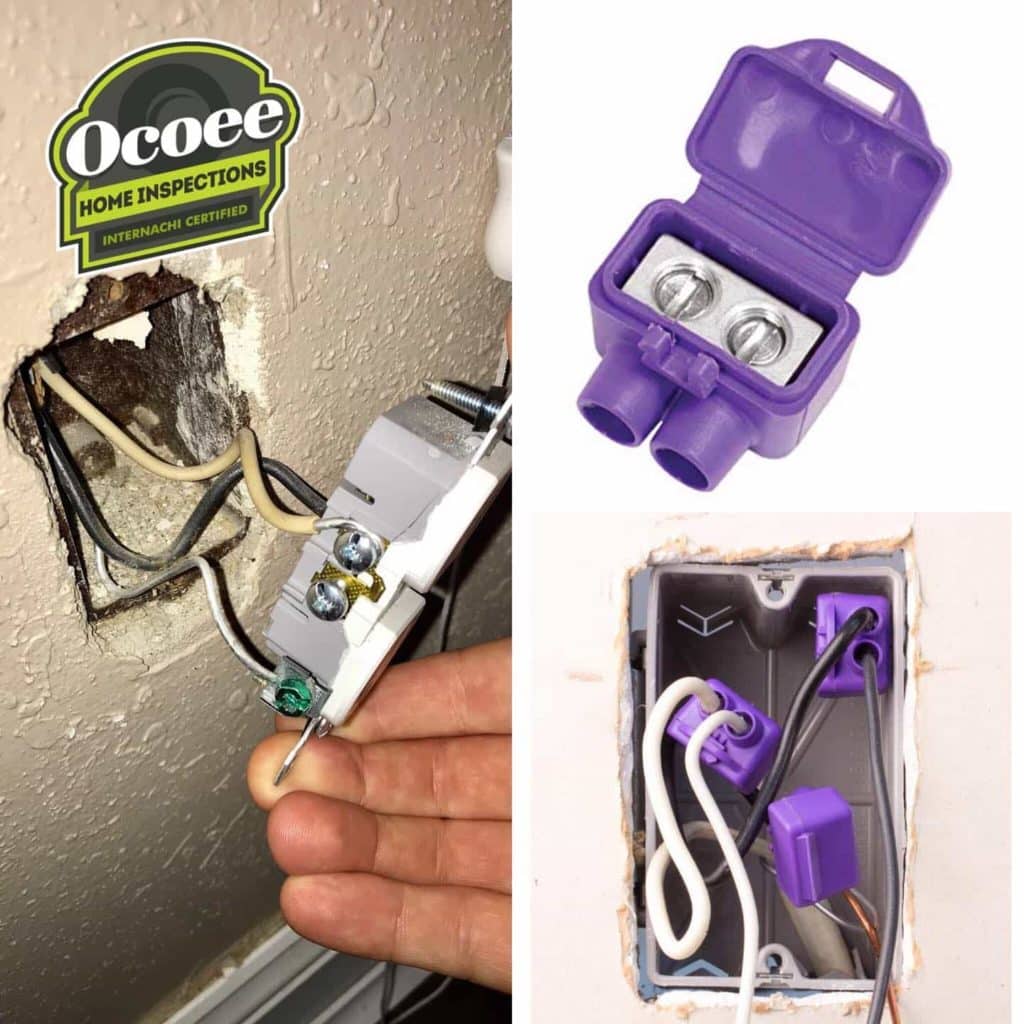
The electrical system is important since any issues involving it can lead to a fire or death by electric shock! Most Standards of Practice rules for home inspectors state they do not have to remove the dead panel on the electrical system. I find this to be a disservice to the client since there is no way to tell what issues lie beneath. I always remove the panel cover and it is required if a 4 point report is needed for the insurance. Many times we will find simple fixes like double tapped wires or a breaker that’s too large for the conductor. Other times we will find panels like Federal Pacific, Zinsco or Challenger. These brands are known to have issues and can give you issues when shopping for insurance. Thermal imaging is used on every panel we inspect to look for over heating breakers as well.
HVAC:
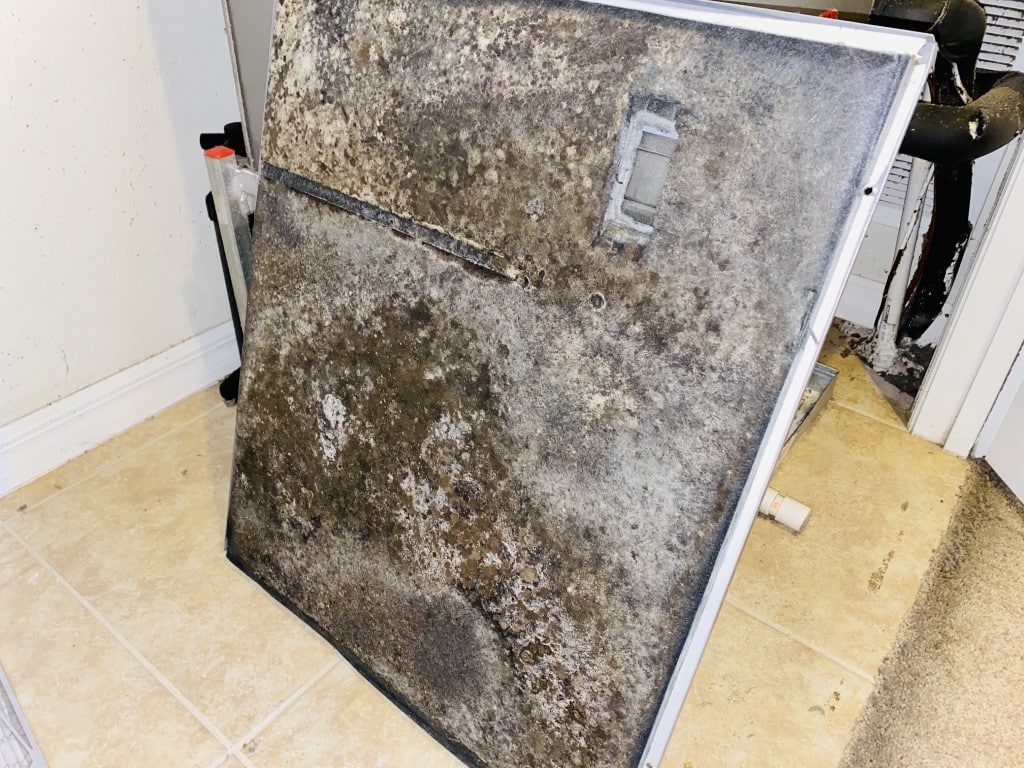
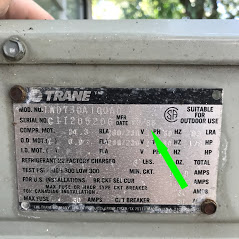
Lets face it, a proper running A/C here in Florida is almost as important as oxygen. There’s nothing worse than a hot, humid day in August and your HVAC system starts to freeze over rendering it useless. If a buyer were to skip a home inspection they may not realize issues with the HVAC system. If the sellers want to cover up a system with issues they will have it topped off with refrigerant before showing the home. This can make it seem like the system is working fine when in reality its not. This would mean that the buyer would find out they need to spend $5000 on a new system right when they move into the home. I date the units and let the clients know that the system in Florida is expected to last 15 years.
Attic:
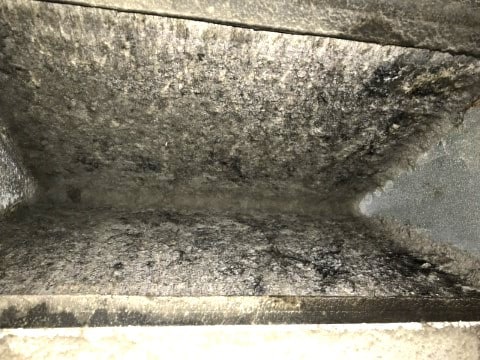
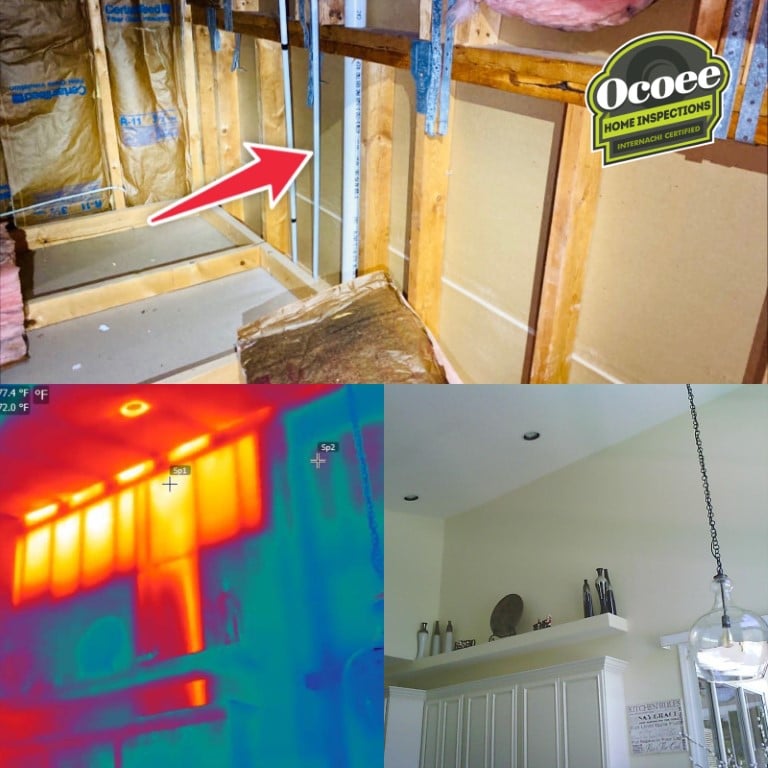
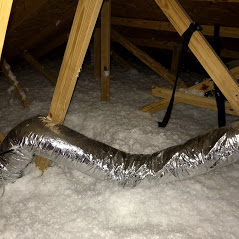
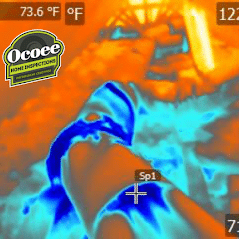
An attic in Florida in August is my nemesis, but it’s where we find some of the biggest issues. Often. We’ll look for staining on the roof deck and let you know to have it repaired before it gets worse. The condition of the ductwork is another big one. I can’t tell you how many times I’ve come across ducts that are just blowing cold air into the attic. First, this is a huge waste of energy, aka “money”! Can you say carbon monoxide poisoning? If a home inspection had been performed instead of saving a few hundred dollars, this would have been caught. Again just another reason why home inspections are important!
Insert shameless promotion for home inspections!:
We don’t care if you hire us for your home inspections or our competitors down the road. The important note is “GET THE HOME INSPECTED!”. Skipping the home inspection may save you a few hundred dollars upfront but may cost you thousands down the road. A good rule of thumb is a good inspection report should be able to pay for itself. How do you ask? A thorough inspection I will usually find enough issues that your realtor can negotiate the price of the home down. If my inspection costs $500 and I find hidden polybutylene plumbing that will cost $3000+ to repipe, I just saved you a possible $2500 of the final sale! So if you are looking at buying a home, please get the home inspection. If you would like to hire us as icing on the cake, we would love to help!