

GFCI outlets and their function can be a mystery for some. As a home inspector, I can see confusion when I say, “The bathrooms do not have GFCI outlets.” I usually follow up with, “The outlets that have the little button in the middle.” The truth is, the NEC has required these in one location or another since 1971! So the question is, why don’t more homeowners know about these little life-saving devices?
History:
Before GFCI outlets were required in homes, there were an estimated 700-1000 deaths a year from electric shock. The NEC (National Electrical Code) first required protection for all outlets by the swimming pool starting in 1971. The next code year was 1975, and they added that all exterior and bathroom outlets be protected. The next code year was 1978, and they added Garage and hot tub requirements. If you are starting to notice a trend that they are required anywhere water can come into contact with electricity, you’re correct.
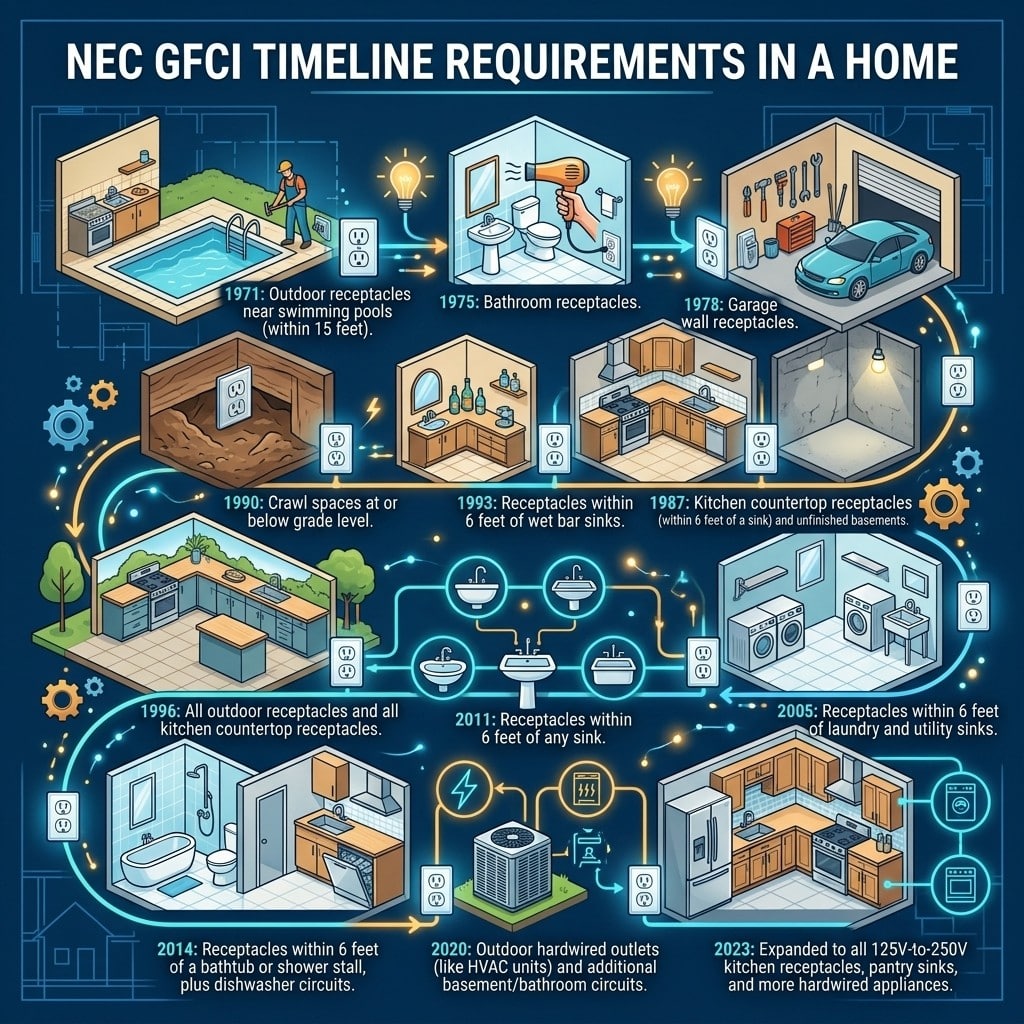
How GFCI outlets work:
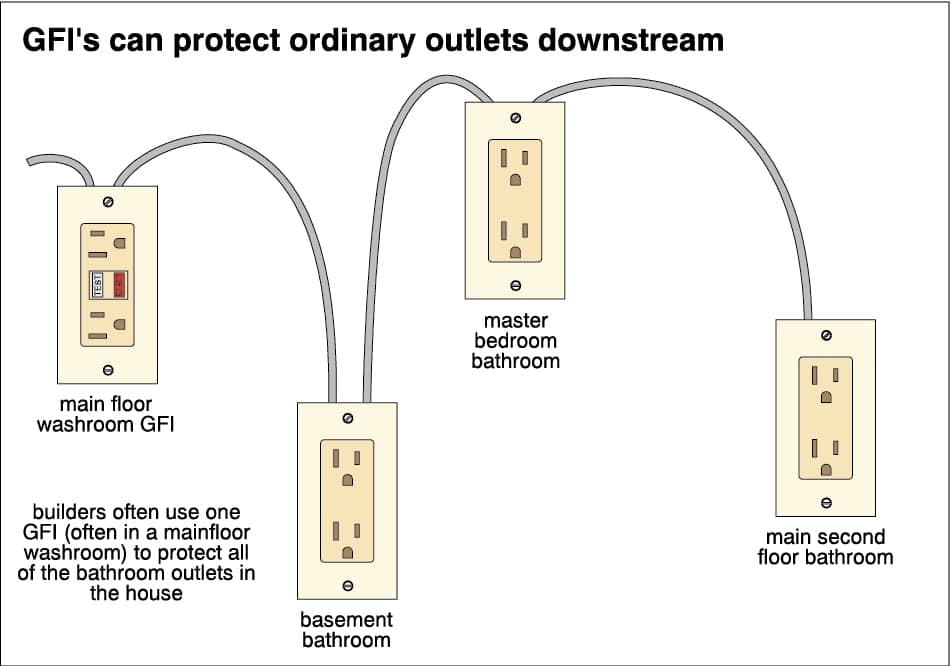
A GFCI outlet works in a way that’s both amazing and very simple. As soon as it spots any difference, no matter how small, such as 0.006 amps, it immediately cuts off the power to protect someone from the risk of an electric shock. Another is connected downstream on the same circuit. All you have to do is locate the bathroom that comes first in the sequence on that circuit, and all the other bathrooms will be protected too. It sure beats spending $15 for every outlet!
Be Safe!:
If you own a home built before 2000, consider updating your outlets to meet current standards. Key areas to review include:
- Bathrooms
- Kitchen
- Garage
- Exterior
- Laundry
- Pool
- Hot tubs
- Wet bars
- Crawlspaces
- Basements
We test all GFCI outlets for proper operation during an inspection. If you would like to set up a home inspection you can contact us here.